
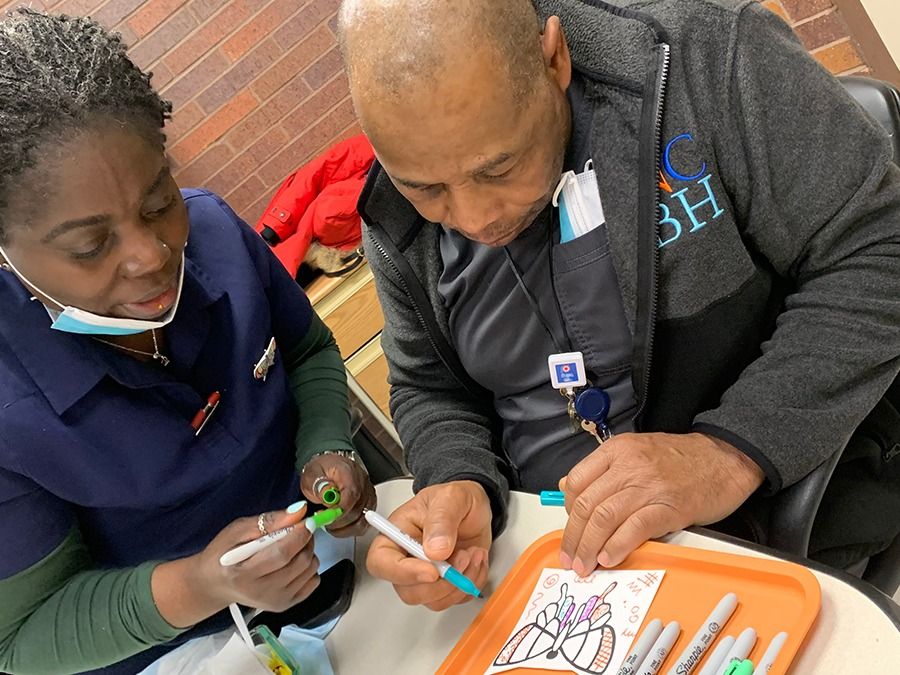
🎨 WHO/Europe and the EU Expand Integration of Arts and Culture into Health Systems
The World Health Organization Regional Office for Europe (WHO/Europe), in collaboration with the European Union (EU), is stepping up efforts to integrate arts and culture into national health systems — recognising their powerful role in enhancing health, well-being, recovery, and resilience.
This initiative focuses on supporting Eastern Partnership countries — including Armenia, Azerbaijan, Georgia, the Republic of Moldova, and Ukraine — through targeted capacity-building activities and structured workshops. These events aim to catalyse country-led action and multisector collaboration, moving beyond fragmented projects toward institutionalised arts-in-health practices anchored in national health priorities and strategies.
🧠 Arts for Health: A Growing Public Health Approach
Health systems across the European region face complex challenges — from demographic change and workforce shortages to the less visible burdens of trauma, social isolation, and chronic stress. Recognising this, WHO/Europe and the EU are advancing creative, people-centred solutions that complement traditional biomedical approaches.
Arts and culture can play many roles in health care:
Supporting mental well-being through music, dance, storytelling, and visual arts
Reducing social isolation by connecting people in community settings
Enhancing recovery and dignity in care by addressing emotional and psychosocial needs
Fostering healthy ageing, rehabilitation, and social inclusion through participatory creative activities
From museum visits for loneliness prevention to dance sessions for individuals living with neurological conditions, arts-based practices bring holistic, evidence-informed approaches into everyday health services.
🏛️ Workshops and Capacity Building
Regional training workshops — part of the Building Arts Capacity for Health (BACH) component of the EU-funded Health Resilience in the Eastern Partnership programme — help bridge sectors by bringing together health professionals, policy-makers, artists, civil society actors, and researchers.
These workshops offer:
Practical tools for co-designing and evaluating arts-in-health initiatives
Governance, ethics, and monitoring frameworks for sustainable implementation
Case studies and peer learning from real-world creative health collaborations
Strategies to integrate arts into mental health, workforce resilience, and community care services
Participants from ministries of health and culture, local authorities, academic institutions, and civic groups work together to explore how creative approaches can be systematically incorporated into national health agendas.
🤝 Cross-Sector Collaboration for Health and Culture
Experts emphasise that sustainable arts-in-health programmes depend on collaboration across sectors, including health, culture, education, and civil society. Through coordinated planning and shared funding mechanisms, countries can make creative approaches a routine part of health service delivery.
Such collaboration can help health systems:
Improve mental health and psychosocial support
Strengthen community engagement and inclusion
Enhance service innovation for diverse populations
Align creative health initiatives with broader reforms
🛠️ Next Steps and Regional Impact
Following the initial workshops, WHO/Europe plans to support:
Pilot implementation of arts-in-health initiatives
Development of monitoring and evaluation tools
Communities of practice for ongoing learning and exchange
Integration of creative health approaches into national mental health strategies and health system reforms
By harnessing the transformative power of arts and culture, WHO/Europe and the EU aim to help build more resilient, inclusive, and people-centred health systems across Eastern Europe — addressing both clinical and social determinants of health in innovative ways.
You Might Also Like
Continue exploring insights from healthcare leaders

Uncategorized
Pharma Leaders Turn to AI-Driven Data to Bridge Trust, Access and Treatment Gaps
Read Article →
Uncategorized
Bajaj Group Enters Healthcare with ₹2,500 Crore Investment to Build Integrated Network
Read Article →
Uncategorized
Early Warning Signs of Heart Attacks: Why Awareness Can Save Lives
Read Article →More Articles
Uncategorized
India’s Low-Cost Semaglutide: A Turning Point in Diabetes & Weight Management
March 30, 2026

Uncategorized
Why Prevention Is the Real Future of Healthcare
March 23, 2026
Uncategorized
National Fertility Awards 2026: Celebrating Excellence in Reproductive Healthcare in India
February 23, 2026
Uncategorized
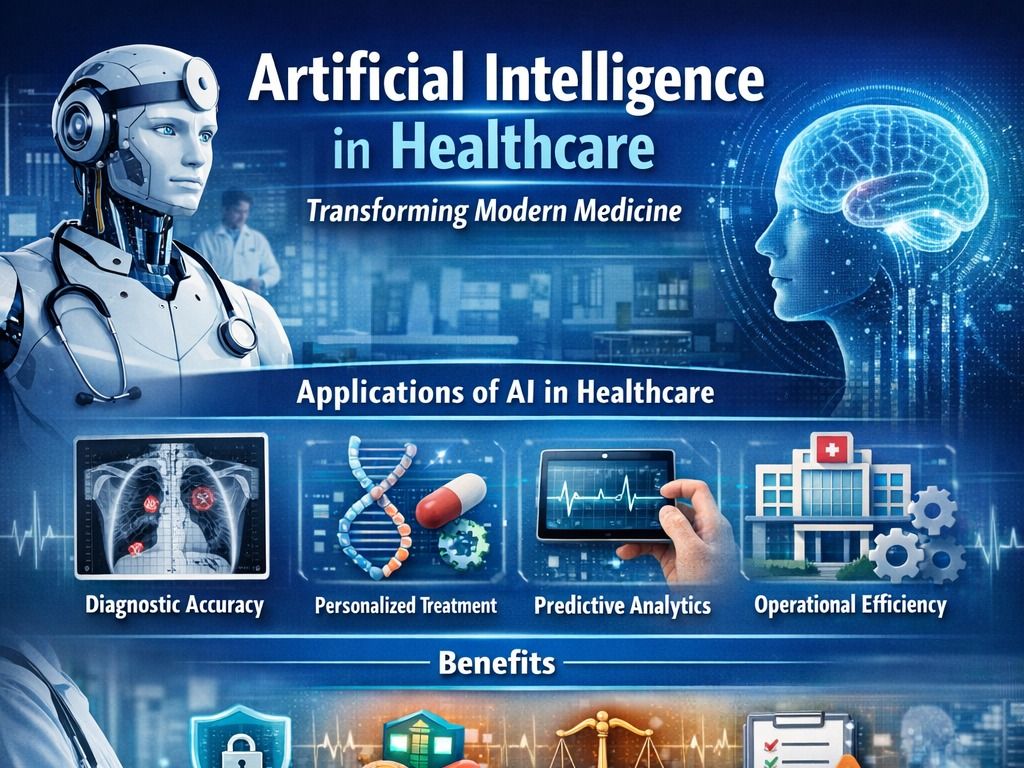
Artificial Intelligence in Healthcare: Transforming Modern Medicine
February 23, 2026
Trending Magazines
Curated issues and covers highlighting leadership, strategy and innovation.


