
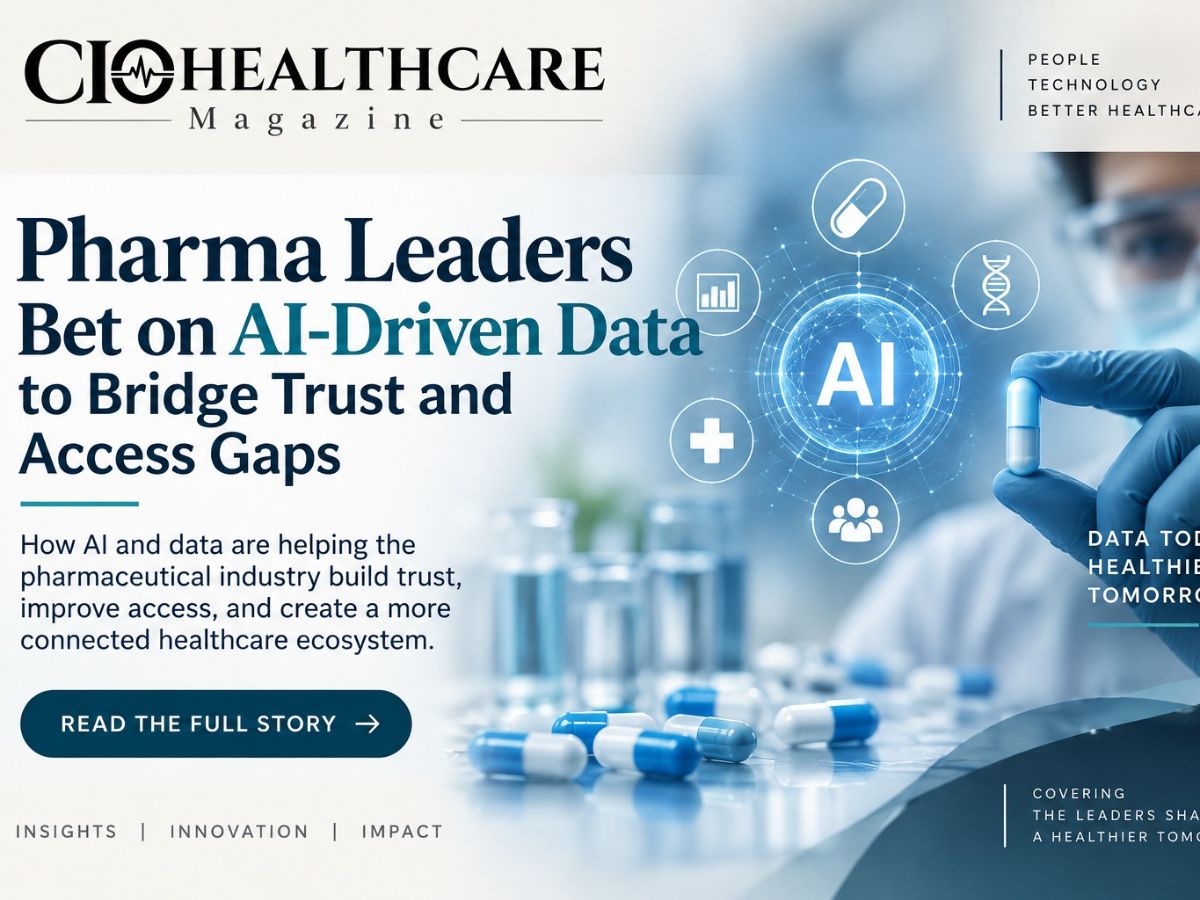
Pharma Leaders Turn to AI-Driven Data to Bridge Trust, Access and Treatment Gaps
AI is reshaping how pharmaceutical companies use data, moving decision-making from retrospective analysis toward predictive and proactive strategies.
The pharmaceutical industry is increasingly treating data as a strategic asset as artificial intelligence becomes more deeply integrated into commercial planning, market intelligence and healthcare decision-making.
At the third ETPharma Tech Innovate Conclave, industry leaders discussed how AI-powered data can help pharmaceutical companies make faster decisions, improve drug access and address gaps across diagnosis, treatment and continuity of care.
From Historical Data to Predictive Intelligence
Traditionally, pharmaceutical commercial teams relied heavily on historical sales figures, previous-quarter performance and market intelligence to plan future activities.
AI is changing this approach by enabling organizations to analyze information more frequently and identify potential trends before they become obvious. According to speakers at the conclave, organizations are moving from quarterly reviews toward monthly and even weekly decision-making cycles.
This shift can help companies respond more quickly to changing market conditions, customer needs and commercial opportunities.
Data Quality Remains a Major Challenge
While AI capabilities are advancing rapidly, the quality and authenticity of the underlying data remain important concerns.
Industry representatives highlighted challenges surrounding sources such as retail chemist prescription audits and sales data. Inconsistent or incomplete data can make it difficult for organizations to generate reliable insights and may result in decisions being based partly on assumptions rather than verified information.
For AI to deliver meaningful value, pharmaceutical organizations therefore need to focus not only on advanced models but also on accurate, reliable and well-governed data.
Human Accountability Cannot Be Replaced
The discussion also highlighted the importance of governance, privacy and human oversight.
In highly regulated areas such as drug development, regulatory filings and quality management, AI-generated recommendations still require appropriate human accountability. Speakers emphasized the importance of audit trails and clearly defining where human oversight should remain part of the decision-making process.
This creates an important principle for healthcare AI: automation can accelerate decisions, but accountability must remain clearly defined.
AI and the Healthcare Access Gap
One of the broader opportunities identified at the conclave is using data and technology to address gaps between disease prevalence, diagnosis, treatment and continuity of care.
These gaps can be particularly significant across emerging markets. Better data, combined with AI-enabled insights and collaboration between technology companies, healthcare organizations and governments, could support efforts to identify underserved populations and improve access to appropriate care.
The Road Ahead
The pharmaceutical industry's AI journey is moving beyond experimentation toward practical applications in market intelligence, commercial strategy and healthcare delivery.
However, successful adoption will depend on more than technology. Data quality, privacy, auditability, regulatory governance and human oversight will remain essential components of responsible AI adoption.
As pharmaceutical companies continue investing in AI-driven capabilities, the focus is increasingly shifting toward a bigger question: how can better data and intelligent technology translate into better decisions and improved access to healthcare?
You Might Also Like
Continue exploring insights from healthcare leaders

Uncategorized
Bajaj Group Enters Healthcare with ₹2,500 Crore Investment to Build Integrated Network
Read Article →
Uncategorized
Early Warning Signs of Heart Attacks: Why Awareness Can Save Lives
Read Article →
Uncategorized
India’s Low-Cost Semaglutide: A Turning Point in Diabetes & Weight Management
Read Article →More Articles

Uncategorized
Why Prevention Is the Real Future of Healthcare
March 23, 2026

Uncategorized
Galgotias Episode Triggers Wider Debate on Tech Transparency and Medical Device Regulation in India
February 23, 2026

Uncategorized
National Fertility Awards 2026: Celebrating Excellence in Reproductive Healthcare in India
February 23, 2026

Uncategorized
Next-generation influenza vaccines could save millions of lives, finds WHO
February 23, 2026
Trending Magazines
Curated issues and covers highlighting leadership, strategy and innovation.


