
Pan American Health Organization Updates Dengue Situation in the Americas, Urges Strengthened Surveillance and Preparedness
The Pan American Health Organization (PAHO) has released a new epidemiological update on dengue in the Americas, highlighting the need for stronger disease surveillance, integrated vector control, and improved health system preparedness to address ongoing and emerging challenges posed by the mosquito-borne infection.
📈 Ongoing Dengue Trends and Public Health Priorities
Dengue continues to be a major public health concern across the region, where outbreaks have historically affected millions of people. Although recent data suggest a reduction in case numbers and deaths in some countries compared with prior years, health authorities stress the importance of maintaining vigilance and preparedness to prevent resurgences.
PAHO’s latest update recommends that countries:
Strengthen integrated surveillance systems — including epidemiological, clinical, laboratory, and entomological surveillance — so outbreaks can be detected and responded to promptly.
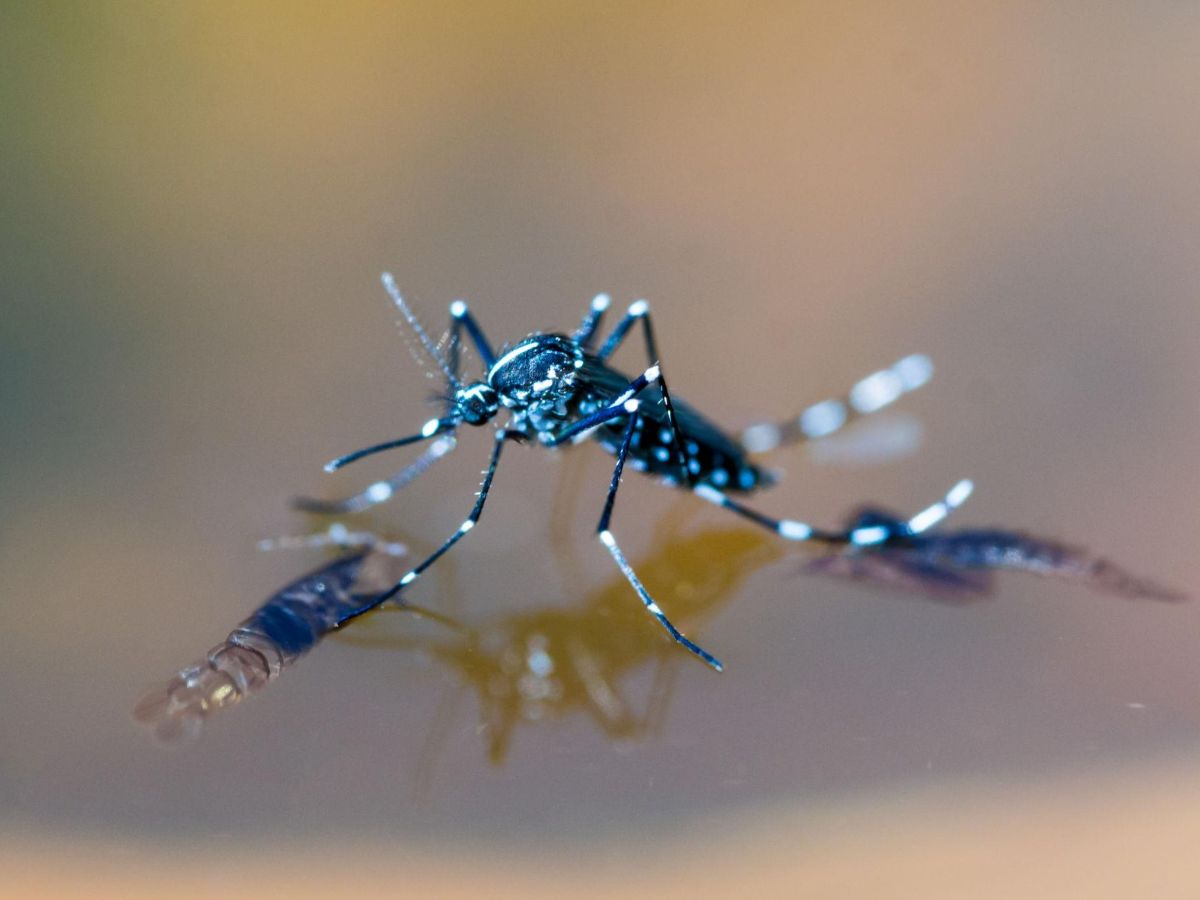
Enhance vector control efforts in high-risk areas, targeting the Aedes aegypti mosquito that spreads dengue.
Prioritize early clinical diagnosis and monitoring of warning signs — such as severe abdominal pain, persistent vomiting, mucosal bleeding, and lethargy — to support timely case management and reduce the risk of severe disease and deaths.
Adapt health services to ensure quality care and rapid case confirmation, including maintaining clear laboratory protocols and prioritizing virological testing.
🦟 What Is Dengue and Why It Matters
Dengue fever is a viral disease transmitted primarily by the Aedes aegypti mosquito. It can cause fever, severe headache, joint and muscle pain, rash, and in serious cases, life-threatening complications such as dengue hemorrhagic fever or shock syndrome. Transmission is influenced by factors like climate, mosquito density, and urbanization.
The region has faced significant dengue activity in recent years. In 2024 and 2025, several countries in Latin America and the Caribbean reported large numbers of cases, with some areas experiencing continued circulation of all four dengue virus serotypes (DENV-1 to DENV-4).
🏥 Integrated Response Recommmended
PAHO underscores that addressing dengue requires comprehensive strategies that go beyond case reporting. Strengthening laboratory capacity for early detection, advancing community-level mosquito control efforts, and ensuring robust clinical care pathways are essential components of a successful response.
Enhanced surveillance helps public health officials anticipate outbreaks and allocate resources effectively, while vigilant clinical monitoring can reduce hospitalizations and fatalities by enabling faster treatment interventions.
🤝 Regional Cooperation and Action
The update serves as guidance for national authorities, health professionals, and communities to reinforce preparedness and response plans ahead of seasonal peaks in mosquito activity. It aligns with broader PAHO efforts to strengthen epidemiological intelligence and health system resilience across the Americas.
You Might Also Like
Continue exploring insights from healthcare leaders

Uncategorized
Pharma Leaders Turn to AI-Driven Data to Bridge Trust, Access and Treatment Gaps
Read Article →
Uncategorized
Bajaj Group Enters Healthcare with ₹2,500 Crore Investment to Build Integrated Network
Read Article →
Uncategorized
Early Warning Signs of Heart Attacks: Why Awareness Can Save Lives
Read Article →More Articles

Uncategorized
India’s Low-Cost Semaglutide: A Turning Point in Diabetes & Weight Management
March 30, 2026

Uncategorized
Why Prevention Is the Real Future of Healthcare
March 23, 2026

Uncategorized
National Fertility Awards 2026: Celebrating Excellence in Reproductive Healthcare in India
February 23, 2026

Uncategorized
Artificial Intelligence in Healthcare: Transforming Modern Medicine
February 23, 2026
Trending Magazines
Curated issues and covers highlighting leadership, strategy and innovation.


