
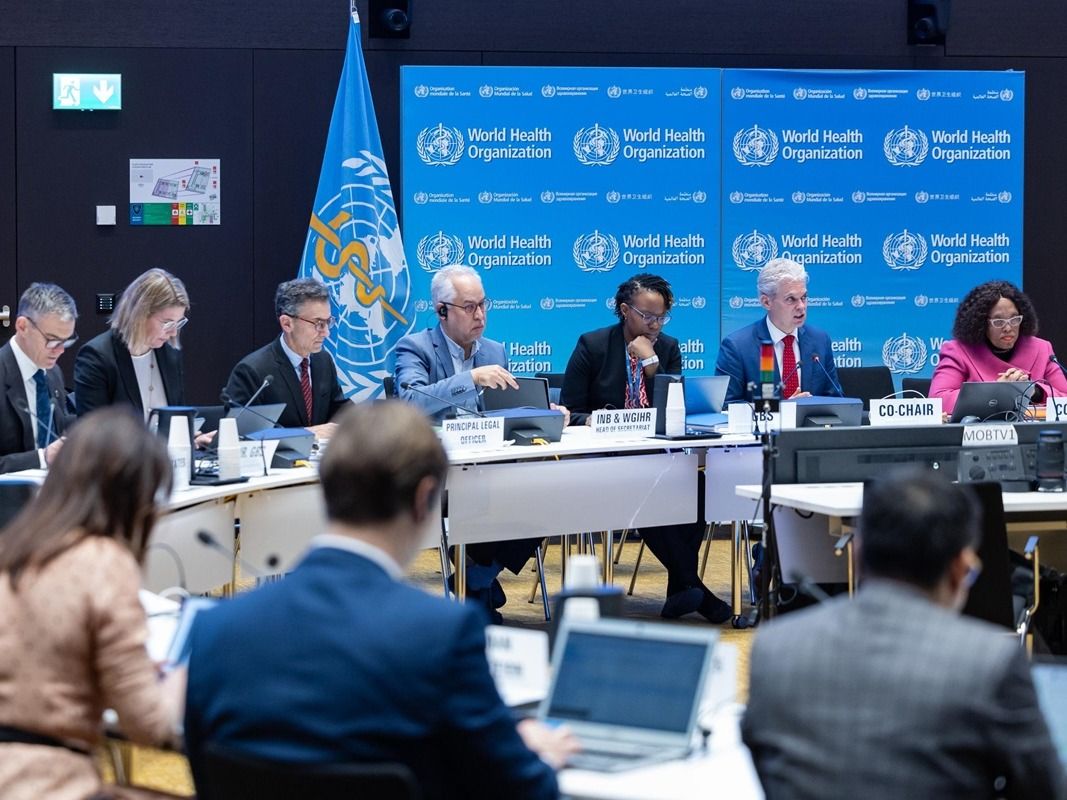
Global commitment on display as countries negotiate key annex to the Pandemic Agreement
Member States of the World Health Organization (WHO) have concluded a week-long round of negotiations on the draft annex for Pathogen Access and Benefit Sharing (PABS) — a critical pillar of the WHO Pandemic Agreement. The fifth meeting of the Intergovernmental Working Group (IGWG), held from 9–14 February 2026, brought countries together to refine the framework that will guide how pathogen materials and related benefits are shared globally.
🔬 Why the PABS Annex Matters
To respond rapidly to future pandemics, countries must quickly detect pathogens with pandemic potential and share their genetic sequence data and biological materials. Timely sharing enables researchers and manufacturers to accelerate the development of diagnostics, therapeutics, and vaccines, reducing global health and economic impacts.
The proposed PABS system aims to ensure that while pathogen samples and genetic data are shared swiftly, the benefits derived from them — such as vaccines, treatments, technology transfer, and financial support — are distributed fairly and equitably based on public health need. This dual commitment to access and fairness lies at the heart of the negotiations.
🤝 Progress and Remaining Challenges
According to IGWG Bureau Co-Chair Ambassador Tovar da Silva Nunes of Brazil, countries demonstrated strong commitment during the discussions and are now working toward streamlining the text while addressing more complex and sensitive provisions.
Co-Chair Mr Matthew Harpur of the United Kingdom acknowledged that differences remain but emphasized a shared understanding among Member States of what is at stake. With the May deadline approaching — when the draft annex will be presented to the World Health Assembly (WHA) — the coming weeks will be crucial to bridging outstanding gaps.
🛡 Strengthening Global Pandemic Preparedness
The broader WHO Pandemic Agreement, adopted last year, was designed to address systemic weaknesses exposed during the COVID-19 pandemic. As a legally binding international instrument, it seeks to enhance coordination, transparency, and equitable access during global health emergencies.
WHO Director-General Dr Tedros Adhanom Ghebreyesus reaffirmed the importance of sustained multilateral cooperation, expressing confidence that Member States will finalize a PABS annex that is “fair, effective, and fit for purpose.”
🌐 Inclusive Multistakeholder Engagement
In addition to formal negotiations, Member States engaged with stakeholders from the private sector, academia, laboratory networks, and genetic sequence databases. Their input is considered essential to ensuring that the PABS framework is practical, science-driven, and globally implementable.
📌 Looking Ahead
As negotiations resume next month, the global health community watches closely. The successful adoption of the PABS annex would mark a significant step toward a more coordinated, equitable, and resilient global health architecture — ensuring that when the next pandemic emerges, the world is better prepared to respond together.
You Might Also Like
Continue exploring insights from healthcare leaders

Uncategorized
Pharma Leaders Turn to AI-Driven Data to Bridge Trust, Access and Treatment Gaps
Read Article →
Uncategorized
Bajaj Group Enters Healthcare with ₹2,500 Crore Investment to Build Integrated Network
Read Article →
Uncategorized
Early Warning Signs of Heart Attacks: Why Awareness Can Save Lives
Read Article →More Articles

Uncategorized
India’s Low-Cost Semaglutide: A Turning Point in Diabetes & Weight Management
March 30, 2026

Uncategorized
Why Prevention Is the Real Future of Healthcare
March 23, 2026

Uncategorized
National Fertility Awards 2026: Celebrating Excellence in Reproductive Healthcare in India
February 23, 2026

Uncategorized
Artificial Intelligence in Healthcare: Transforming Modern Medicine
February 23, 2026
Trending Magazines
Curated issues and covers highlighting leadership, strategy and innovation.


